-1.jpg)
By Phil Garabo, licensed electrician and owner of All American Electrical Services. Last updated: October 2026.
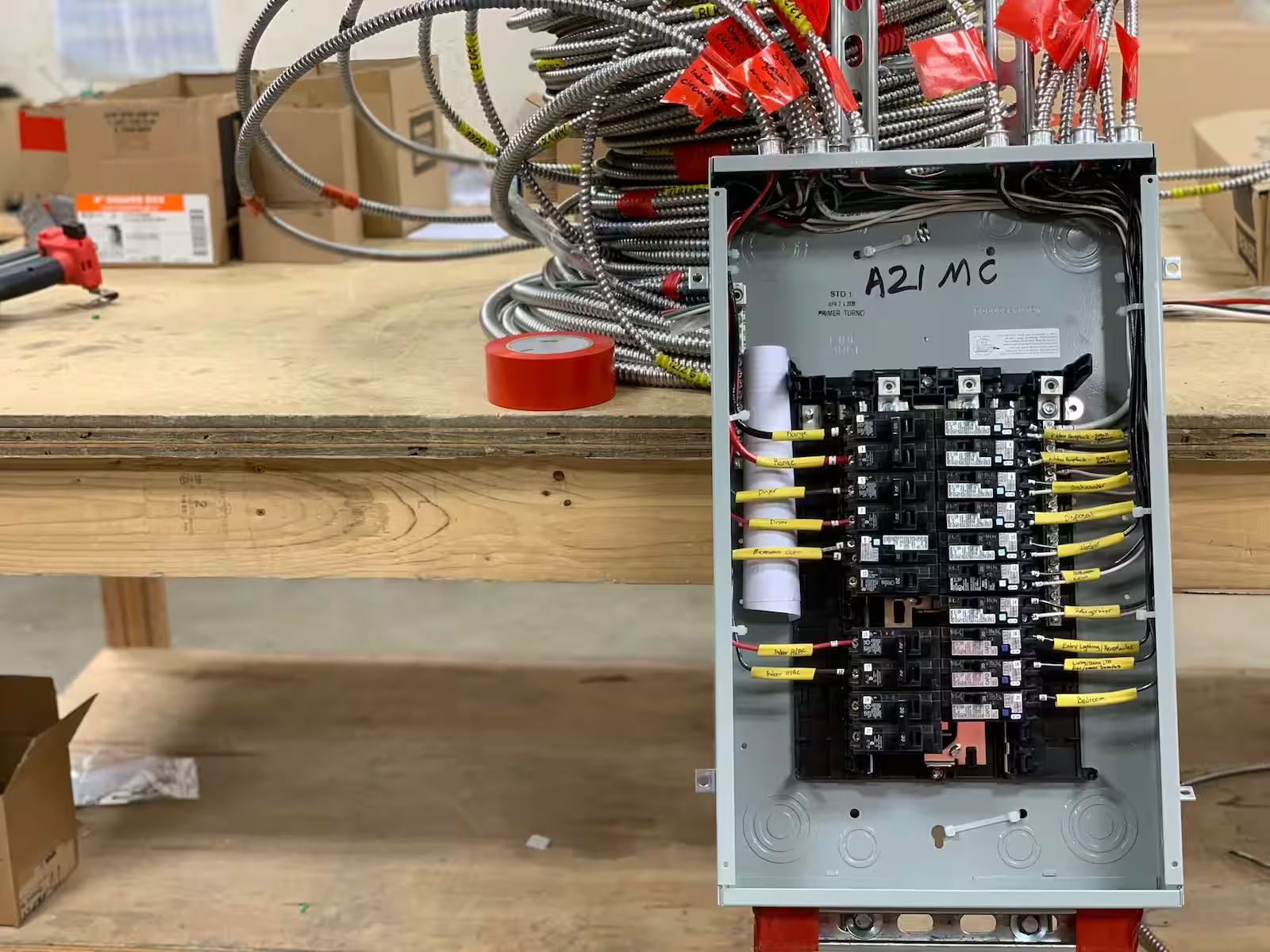
Your electrical panel is unsafe if it smells like burning, buzzes, feels warm, shows rust or scorch marks, or keeps tripping breakers. Older Federal Pacific, Zinsco and split-bus panels also deserve a professional look, even with no symptoms. Any of these signs means you should stop resetting breakers and have a licensed electrician inspect the panel.
If you’re dealing with flickering lights, breakers that keep tripping, or ongoing electrical problems, you may need an electrical panel upgrade. Many homeowners across Rockland County and nearby New York counties live with outdated or overloaded electrical panels, often without realizing the safety risk until a failure occurs.
With over 20 years of experience, our licensed residential electricians serve Rockland, Orange, Westchester, Sullivan, Ulster, and Putnam counties every day. This page is a safety checklist: it walks through the warning signs of an unsafe electrical panel, the older panel types that get flagged most often, when a service upgrade is required, and the safest next steps for your home.
This article answers one question: is my panel safe right now? If you already know you need a new panel and want pricing, read our electrical panel upgrade cost guide for Rockland County. If your main problem is one circuit that trips over and over in an older house, see why breakers keep tripping in older NY homes. If a breaker will not reset at all, go to what it means when a circuit breaker won’t reset.
If you notice any of the following, it’s time to call a licensed electrician for an inspection:
These issues often point to an overloaded or failing electrical panel, and ignoring them can increase fire and shock risk.
| Warning sign | What it usually means | How urgent |
|---|---|---|
| Burning or plastic smell | Overheating wires or components | Call right away |
| Shocks or tingling at outlets | Grounding or wiring fault | Call right away |
| Melted wires or scorch marks | Past or ongoing overheating, arcing | Call right away |
| Warm or hot breakers or cover | Overloaded circuit or loose connection | Same day or next day |
| Buzzing or humming | Arcing, loose connections or failing breakers | Same day or next day |
| Breakers trip repeatedly | Overloaded circuits or worn breakers | Schedule an inspection soon |
| Rust or moisture in the panel | Corroded connections, water entry | Schedule an inspection soon |
| Federal Pacific, Zinsco or split-bus panel | Known design or reliability concerns | Schedule an evaluation |
| Extension cords everywhere | Too few circuits for your home | Plan an upgrade |
Your electrical panel, also called a breaker box, is the central hub that distributes power safely throughout your home or business. It protects wiring and appliances by shutting off power when circuits overload.
Modern homes use far more electricity than older systems were designed for. EV chargers, HVAC systems, kitchen appliances, home offices, and renovations can quickly push an older panel beyond its limits. When that happens, the panel can no longer do its job safely.
Frequent breaker trips usually mean circuits are overloaded or breakers are failing. Resetting them repeatedly is a warning sign, not a solution. Older homes are especially prone to this because their wiring was not designed for modern loads.
Lights that flicker when appliances turn on can indicate insufficient power capacity or loose connections inside the panel.
A burning or plastic smell is serious. It often means overheating wires or components and requires immediate attention.
Electrical panels should be silent. Buzzing can indicate arcing, loose connections, or failing breakers.
Heat is a major red flag. Electrical components should never feel warm to the touch.
Corrosion inside a panel weakens connections and increases the risk of failure, especially in basements or utility rooms.
Any visible damage is a sign the panel is unsafe and likely overdue for replacement.
If you’re constantly using extension cords or power strips, your panel isn’t meeting your home’s electrical demands.
Some older panels are no longer considered safe or reliable by today’s standards and often trigger upgrade recommendations. The most common ones are covered in the next section.
Finished basements, kitchen remodels, or additions often require more power than the original panel can handle.
Breakers that feel loose, won’t reset, or trip instantly may be failing internally.
This is rare, but serious. If you feel tingling when touching outlets or appliances, call an electrician immediately.
Some older panels are commonly flagged during inspections due to known reliability issues or design limitations. Others simply weren’t built for today’s electrical demands. These are the ones homeowners ask us about most:
Having one of these panels does not mean it will fail tomorrow. It means the panel deserves a careful evaluation. A licensed electrician can evaluate your specific panel and explain whether replacement is recommended based on condition, capacity, and safety, not just age.
A simple repair may be enough if there’s a single faulty breaker or minor issue. But a panel upgrade is usually the right move if:
If you’re unsure, a professional inspection can quickly determine whether repair or replacement is the safest option. When replacement is the answer, our panel upgrade cost guide explains what drives the price.
Concerned about your panel? Contact us and request a free estimate.
A professional panel upgrade typically involves:
Every home is different, but the goal is always the same: a safe, code-compliant system built to handle your electrical needs.
If something feels unsafe, trust that instinct and call a professional. Call (845) 786-3143 for fast help.
At All American Electrical Services, we regularly see outdated electrical panels in Rockland County homes, including Stony Point, New City, Haverstraw, Nanuet, and Garnerville. Many of these systems were not designed to handle today’s appliances, EV chargers, or increased electrical demand.
We encounter the same panel and wiring issues across Orange, Westchester, Sullivan, Ulster, and Putnam counties, especially in older homes that have been remodeled or expanded without proper electrical upgrades. Learn more about our Rockland County electrician service area.
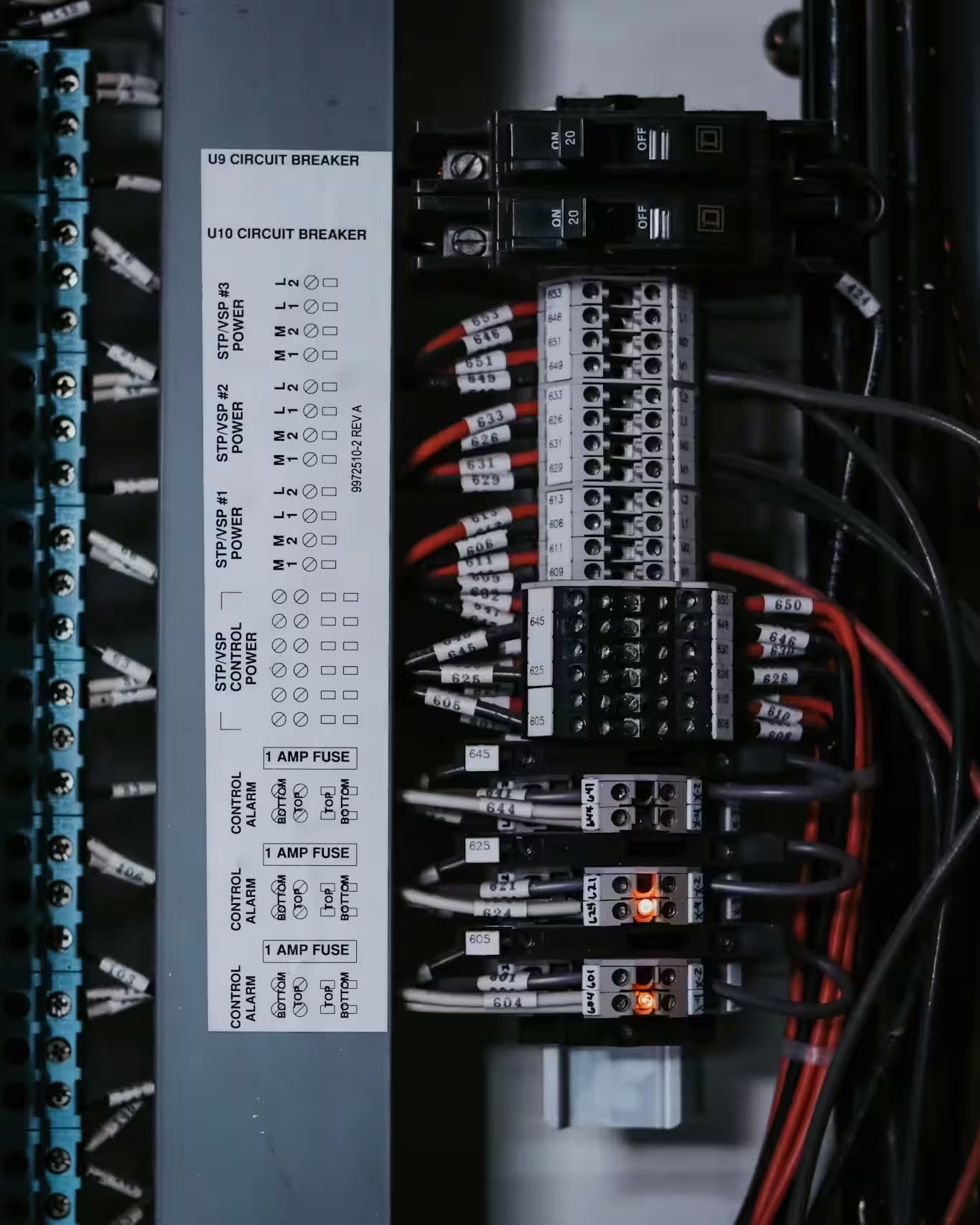
When we inspect a panel, we look at:
You’ll receive clear recommendations with honest priorities, no pressure, no guesswork.
Yes. Buzzing can indicate loose connections or arcing and should be inspected promptly. A panel should be silent in normal operation. If the buzzing comes with heat or a burning smell, treat it as urgent.
Usually, yes, after an electrician confirms what you have. Both brands have known concerns with breakers that may not trip when they should. We inspect the panel first and explain the condition before recommending replacement.
Many homes benefit from it, especially with EV chargers or large appliances, but an inspection determines what’s right. A load calculation shows whether your current service can handle your home. Older homes also trip more often simply because their systems weren’t designed for modern electrical loads.
Yes, in most cases. Requirements vary by municipality, and we handle this for you. We manage permits and coordinate inspections as part of the process.
Most upgrades are completed in one day, depending on scope and inspections. Service size changes and utility coordination can add time. We confirm the schedule before work begins.
If you’re seeing warning signs, or just want peace of mind, we’re here to help.
Explore our services:
Serving Rockland, Orange, Westchester, Sullivan, Ulster, and Putnam counties with clean, safe, code-compliant electrical work backed by 20+ years of experience.
8 Phelps Street, West Haverstraw, NY 10993, USA
Mon–Sat: 7:00 AM – 3:30 PM
Sun: Closed
⭐ Rated 5.0 on Google Reviews


Book now and we'll put you at the front of the line, with priority same-week scheduling across Rockland & the Hudson Valley.
Licensed. Insured. 20+ years. 5-star rated. No call-out fee for your estimate.
Call Us Now(845) 786-3143